

2 Nesting Tables
2 nesting tables refer to a coordinated pair of tables designed to stack neatly together when not in use, while also functioning independently when required. Typically comprising a larger primary table and a smaller secondary table, this format allows flexible surface space without increasing a room’s permanent footprint. In a trade and commercial context, 2 nesting tables are valued for their adaptability, visual cohesion, and efficiency in space planning across multiple interior schemes.
How 2 Nesting Tables Are Used in Commercial & Trade Interiors
In hospitality environments such as hotels, serviced apartments, and lounges, 2 nesting tables are commonly specified for seating areas where layouts may change depending on guest use. They allow surfaces to be expanded or reduced without moving additional furniture into storage.
In residential developments and show homes, nesting tables provide a layered, styled look while maintaining practicality for end users. Retail and office interiors often use them in waiting areas or collaborative spaces where flexibility and durability are key. From a trade perspective, their compact shipping size, ease of placement, and suitability for bulk ordering make them an efficient choice for multi-unit projects.
Materials, Design & Build Quality
2 nesting tables are typically produced in materials such as solid wood, oak veneers, metal frames, marble or stone-effect tops, and tempered glass. Trade buyers often prioritise robust construction methods, including reinforced joints, welded metal bases, and durable surface finishes that withstand frequent use.
Design considerations include consistent proportions between the two tables, stable stacking tolerances, and finishes that align with broader furniture collections. Neutral tones, bronze or brass detailing, and natural wood finishes are frequently specified to ensure longevity and compatibility across different interior styles.
Why Trade Buyers Choose 2 Nesting Tables
For trade buyers, 2 nesting tables offer practical advantages beyond aesthetics. Their repeatable design makes them suitable for phased developments and ongoing projects, while their compact nature supports efficient warehousing and logistics. Consistent quality and finish are essential, particularly where tables are specified alongside coffee tables, side tables, or occasional tables within the same scheme.
From a commercial standpoint, nesting tables also present reliable margin potential due to their versatility and broad appeal across sectors, making them a dependable product category for interior designers, developers, and hospitality buyers.
Brand & Trade Context
As a UK-based, trade-focused furniture brand, Tommy Franks supplies 2 nesting tables designed with commercial use in mind. With UK-held stock, free UK mainland delivery, and competitive trade pricing, the brand supports reliable lead times and consistent collections suitable for repeat specification across multiple projects. This approach aligns with the needs of professionals seeking dependable, well-constructed furniture solutions for large-scale or ongoing interiors.
Products
-
Sims Bedside Table - Matte Beige
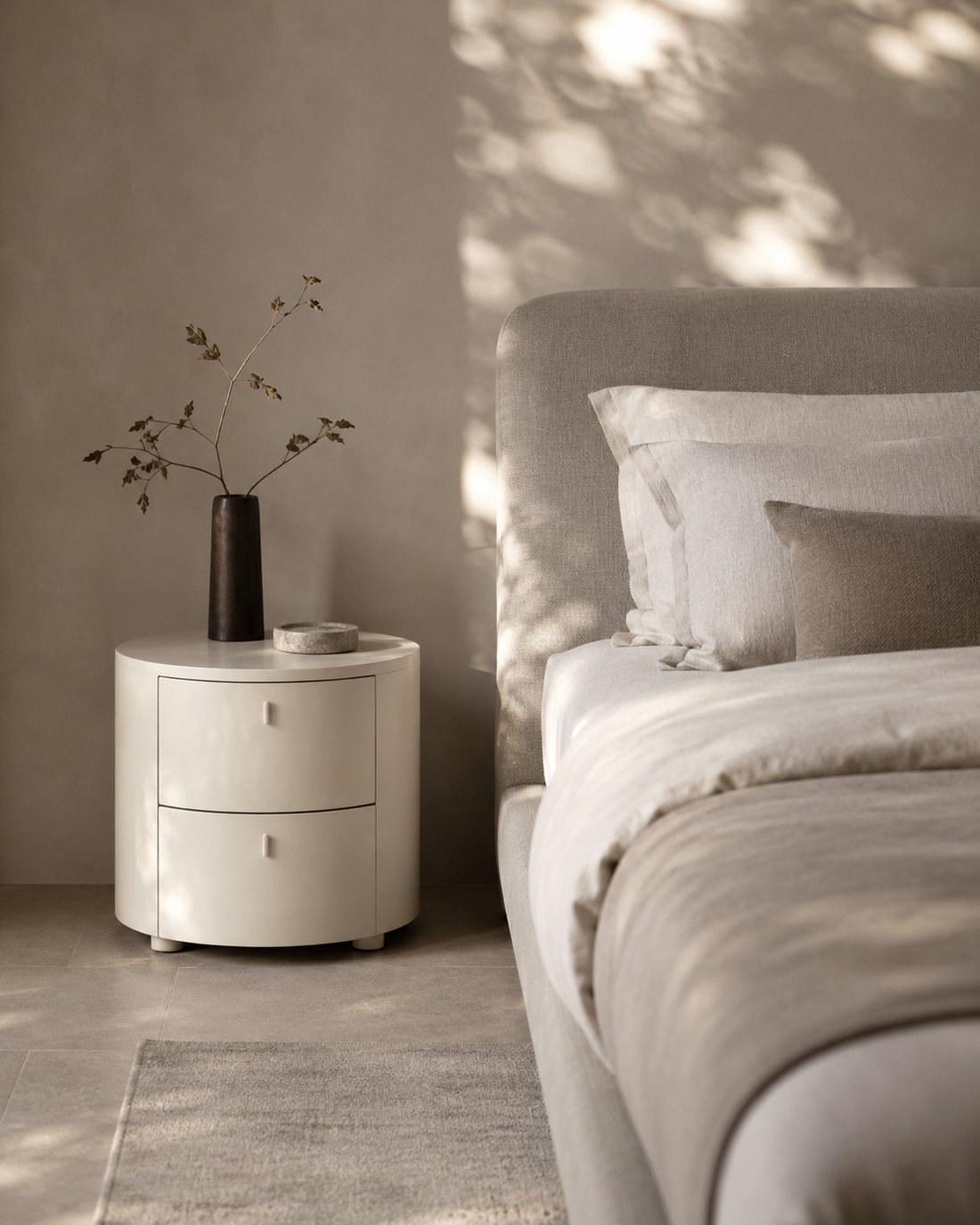 Sims Bedside Table - Matte Beige
- Regular price
-
- Regular price
-
- Sale price
-
-
Saviour Bedside Table - White Marble & Beige
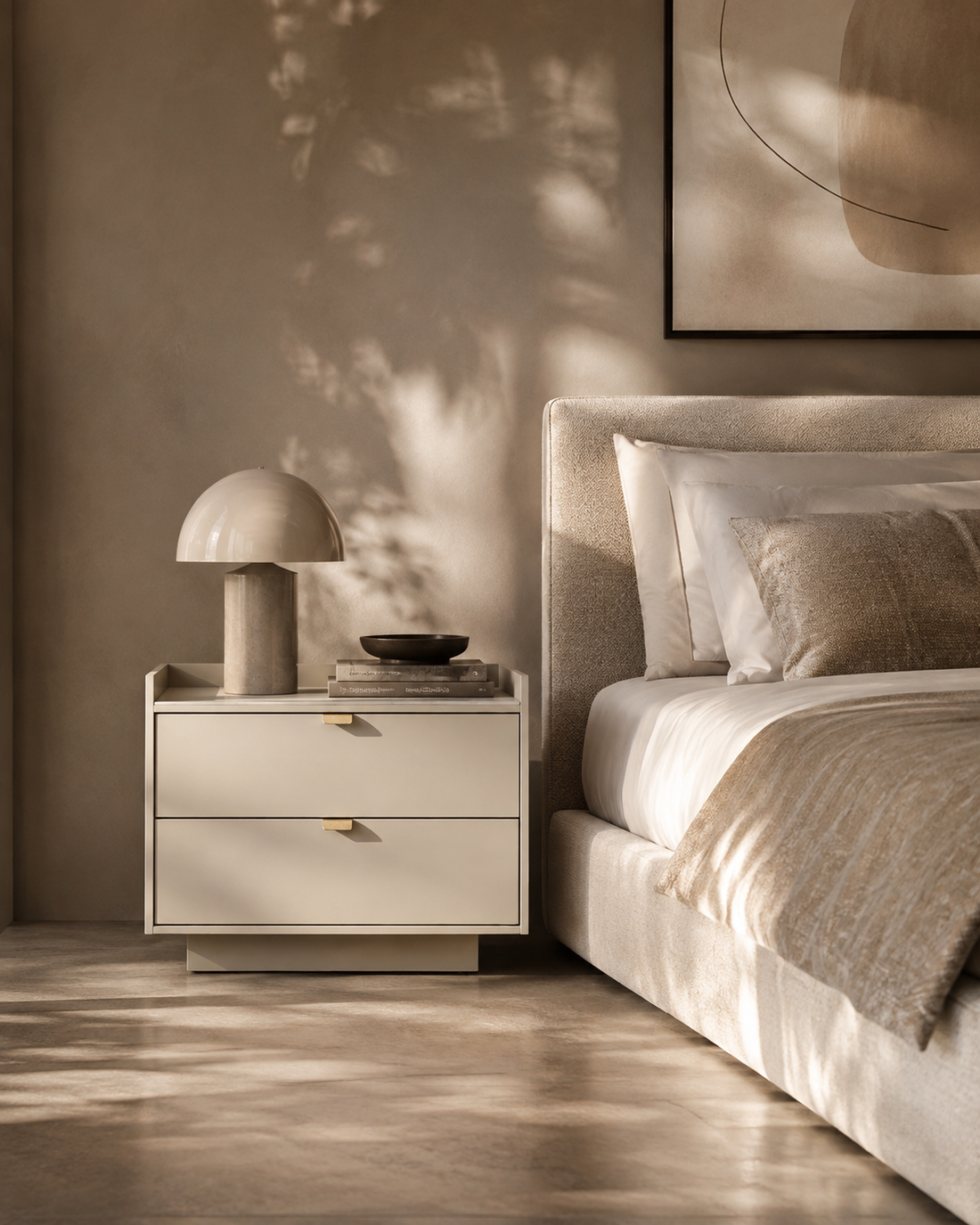 Saviour Bedside Table - White Marble & Beige
- Regular price
-
- Regular price
-
- Sale price
-
-
Dexter Bedside Table - Walnut - Pair
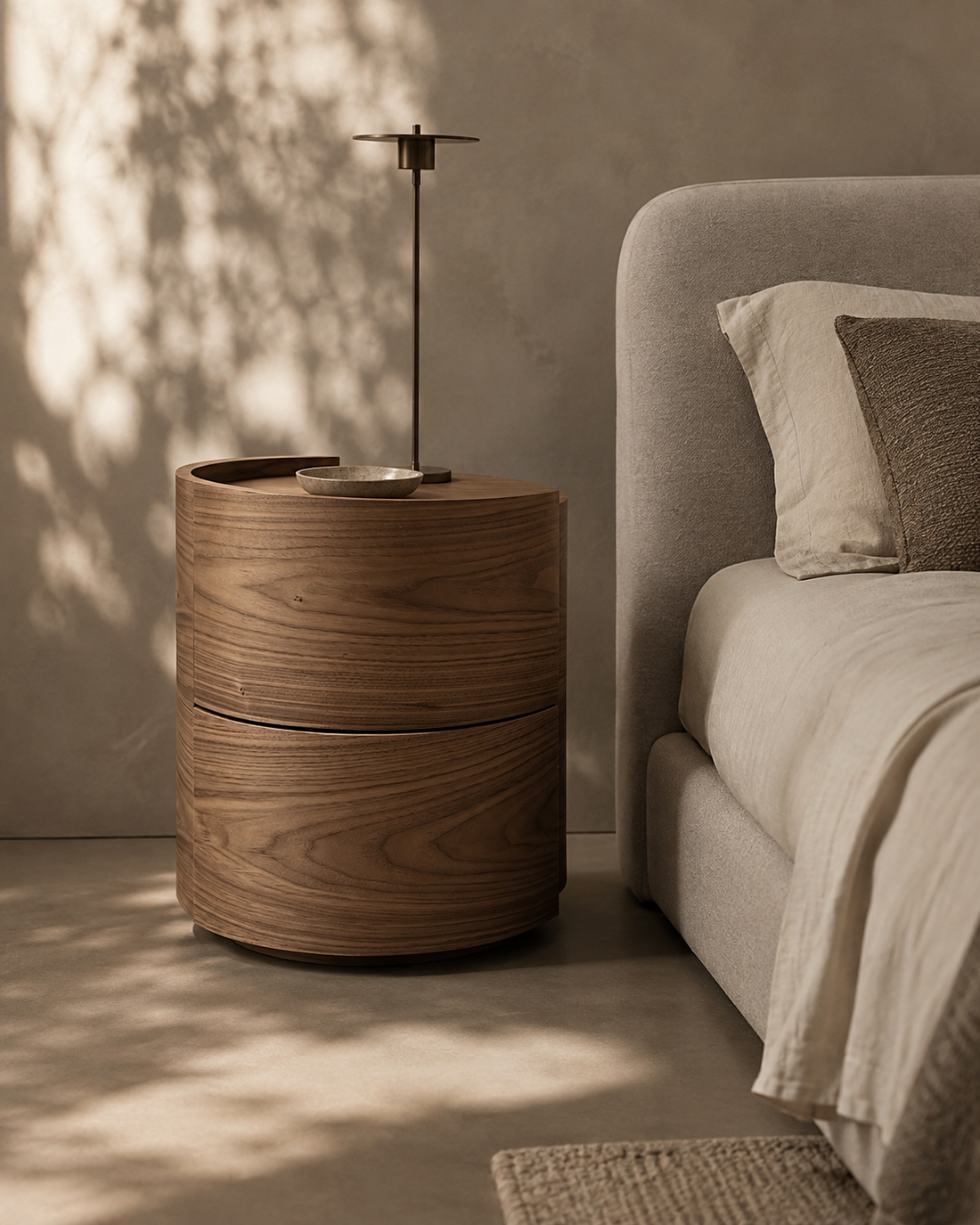 Dexter Bedside Table - Walnut - Pair
- Regular price
-
- Regular price
-
- Sale price
-
Disclaimer: All trademarks, brand names and product names mentioned on this website are the property of their respective owners. Any references are made for identification, informational or comparative purposes only, and do not imply any affiliation, endorsement, sponsorship or authorisation.